About us

Built for teams making decisions
without the research in the room

Design, strategy and development teams rarely lack good research. They lack access to it at the moment it matters. Persona Dynamics keeps audience evidence present throughout a project, not archived after the brief.

The people behind the platform

We are a small team with backgrounds spanning AI research, conversational systems, enterprise delivery and qualitative methods, with advisors and collaborators joining as we scale.
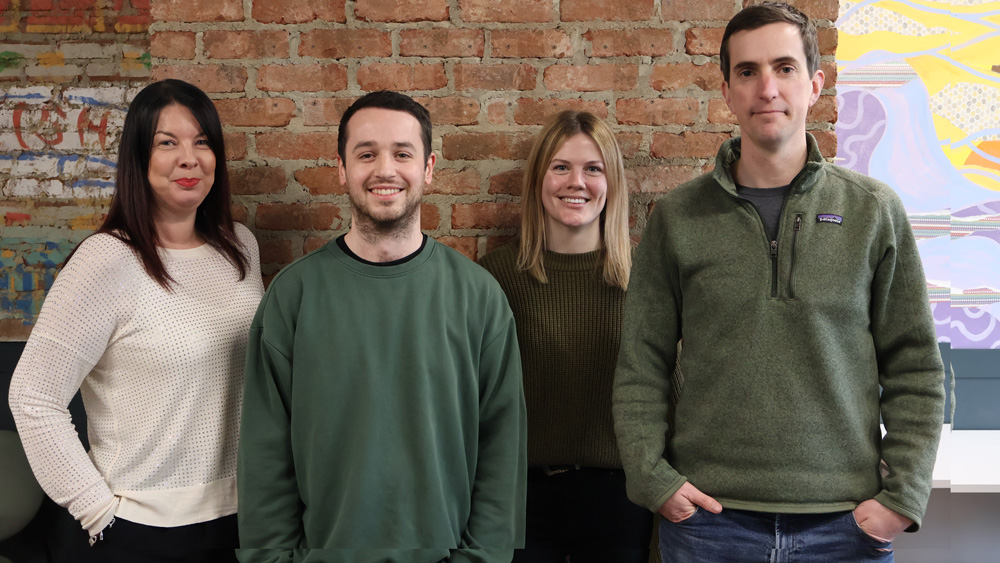
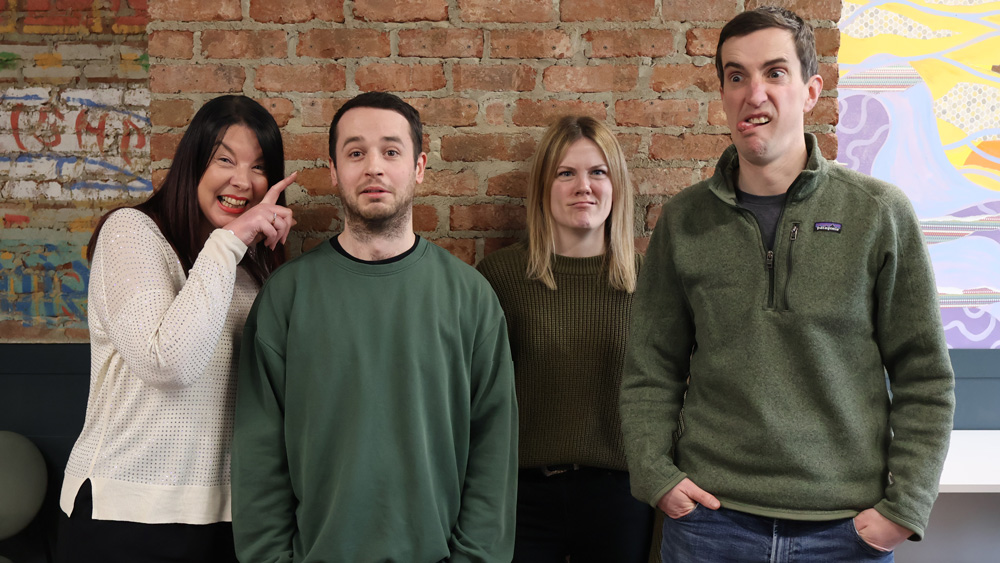
Persona Dynamics team Persona Dynamics team alternate
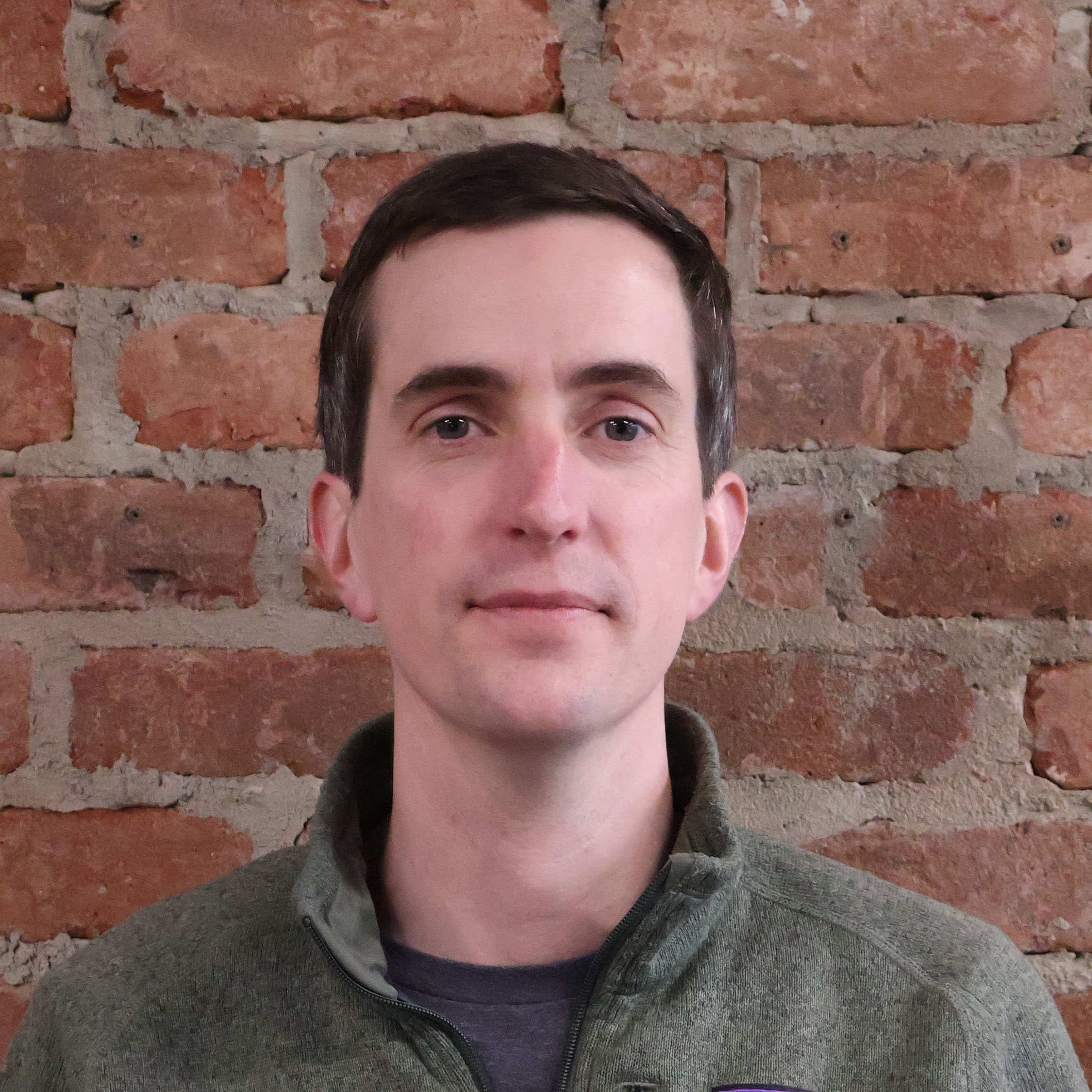
Dan Foster-Smith

Dan Foster-Smith

Founder & CEO

Dan has spent 20 years working at the intersection of NLP, conversational AI and design. In 2011 he co-founded a creative search engine featured in New Scientist, WIRED, The Guardian and BBC, raising investment from M&C Saatchi. His PhD research explored how AI can support ideation in creative industries, work that directly shaped the thinking behind Dynamic Personas. He holds an MA in Design Interactions from the Royal College of Art, and has been awarded a D&AD and Deutsche Bank Award for design work.

Josh Dawson

Josh Dawson

AI Architect

Josh is a Technical Architect and Backend Developer with over seven years of experience in full-stack development and AI implementation. He specialises in scalable backend systems and AI integration, and leads the platform's core technical architecture, from infrastructure through to model orchestration.
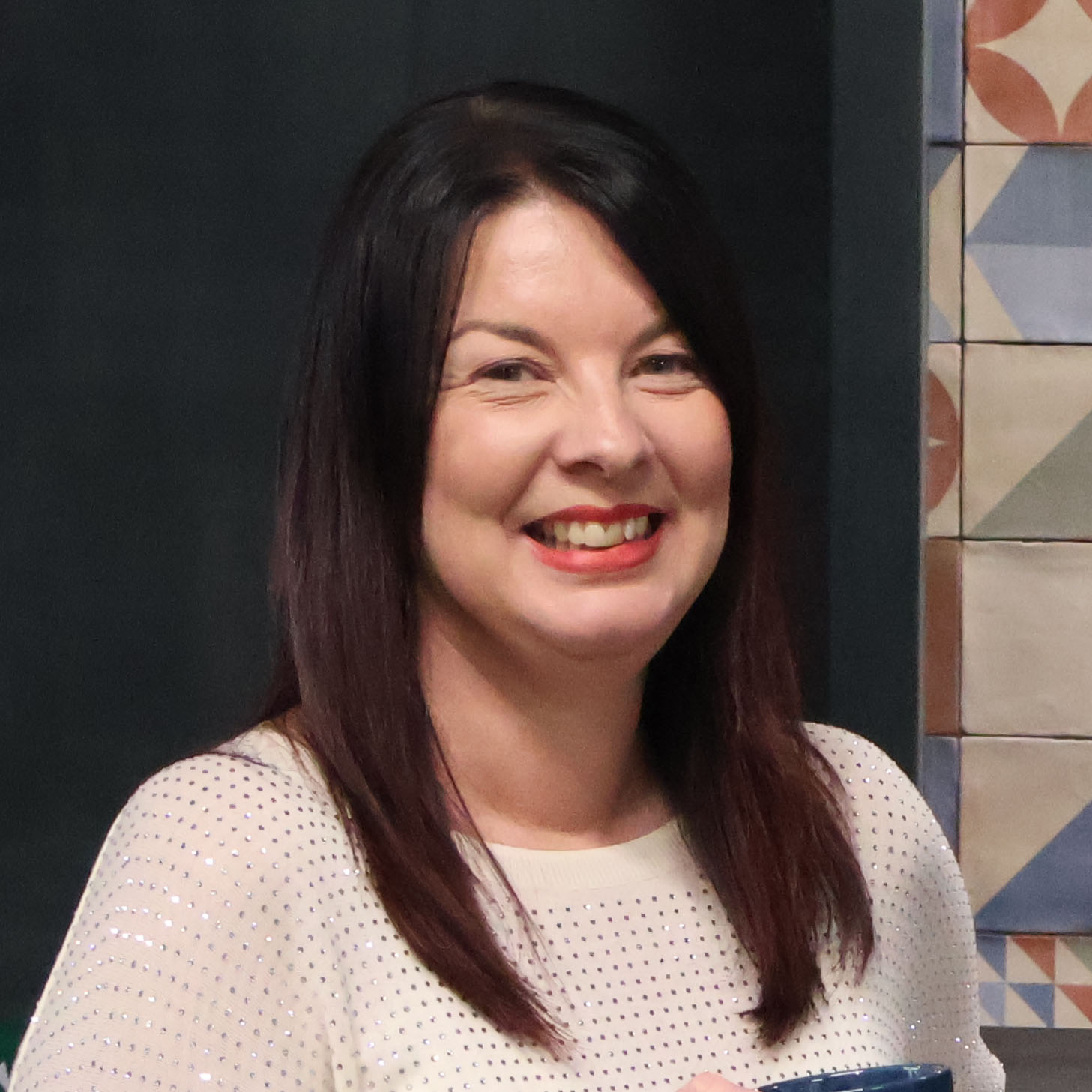
Nicola Hurst

Nicola Hurst

Project Manager

Nicola is PRINCE2 and ITIL qualified, with a track record of delivering complex enterprise technology projects. Her experience spans research institutions, industrial operations and financial services, giving her a practical understanding of how cross-functional teams actually adopt new tools.
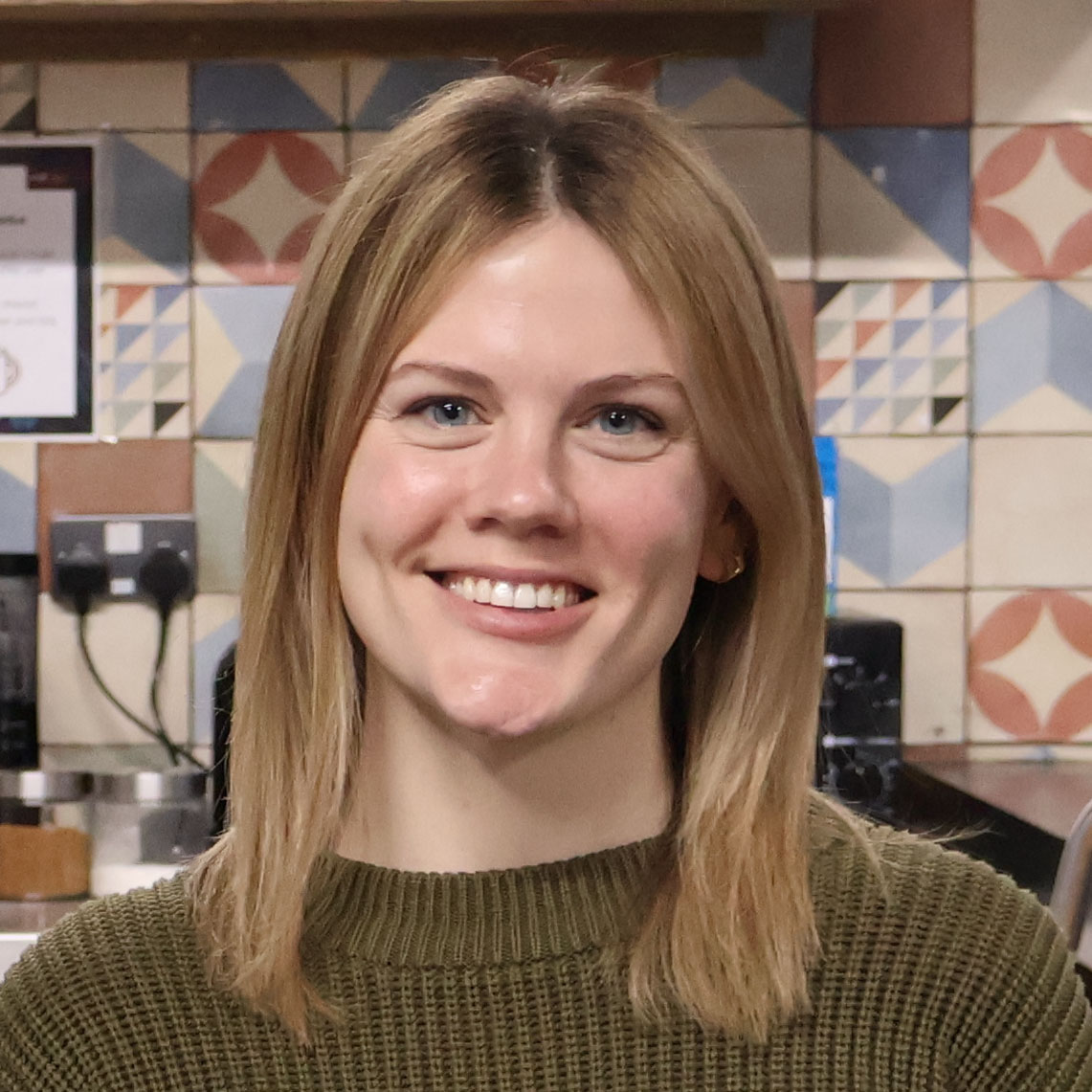
Charlotte Pennington

Charlotte Pennington

Research Coordinator

Charlotte specialises in translating qualitative research into structured, actionable insights. Her background includes academic research evaluation at Northumbria University, design research for a health-tech startup, and financial crime analysis at Barclays, a range that reflects the kind of mixed-methods thinking the platform is built around.

Making research count at the moment decisions are made

Organisations invest substantially in understanding their audiences, customers and markets. The gap between that investment and the decisions that follow is where value is lost. Our mission is to close it.

We believe that AI in professional contexts should be grounded, traceable and built from evidence your organisation has gathered and trusts. Not fluent approximations drawn from general training data, but outputs linked to the specific research, expertise and knowledge that your team has actually produced. That's the difference between a recommendation you can defend and one you're taking on faith.

Persona Dynamics exists to make that kind of AI accessible: to keep research active throughout a project rather than sitting unused after initial delivery, to make every output traceable to its source, and to give teams the confidence to act on what they know.

We are in live deployment with three organisations across engineering consultancy, public sector research and cultural institutions, with findings from these engagements directly informing platform development.

Built with academic rigour

The platform has been developed alongside researchers and institutions who care as much about evidence quality as we do.

Northumbria University

Live deployment study with MA Communication Design and Citizen-Centred AI PhD researchers. Findings inform ongoing platform development.

NICD

National Inclusion & Cultural Diversity collaboration informing confidence scoring frameworks and validation methodology.

Newcastle Centre for AI Safety

Ongoing collaboration on safety testing, adversarial evaluation and responsible deployment in professional AI contexts.

See if Persona Dynamics is right for you

The best starting point is a short conversation about your specific context, evidence base and use case.